
Request More Information

Email:  WhatsApp:

koenig-logo

Change Technology

Microsoft Power Platform Training

In today's fast-paced digital landscape, businesses are constantly seeking ways to innovate, automate, and become more data-driven. The Microsoft Power Platform has emerged as a game-changing suite of tools that empowers organizations to achieve these goals. However, unlocking its full potential isn't as simple as just turning it on. Effective, structured training is the bridge between purchasing a powerful tool and achieving a true return on investment.

This article will explore the core components of the Microsoft Power Platform, discuss the tangible risks and tradeoffs of its low-code approach, and explain why formal training is an essential ingredient for success.

What is the Microsoft Power Platform?

The Microsoft Power Platform is a unified suite of low-code applications and services designed to help users build custom applications, automate workflows, and analyze data with minimal to no traditional coding experience. It is built to work seamlessly with other Microsoft products like Microsoft 365, Dynamics 365, and Azure, creating a deeply integrated ecosystem for business transformation.

The platform's primary goal is to empower "citizen developers"—business users with deep process knowledge but little coding background—to create solutions for their own teams, fostering innovation from the ground up.


Filter

Clear All

Sort by Partner

Clear All

*Excluding VAT and GST

Showing to of entries

Request more information

Email:  WhatsApp:


Prerequisites for Microsoft Power Platform Certifications


• Have a basic understanding of the Power Platform components (Power BI, Power Apps, and Power Automate).
• Have a basic understanding of the Power Platform capabilities and features.
• Have a basic understanding of the Power Platform development environment.
• Have a basic understanding of the Power Platform security and governance features.
• Have a basic understanding of the Power Platform data sources and connectors.
• Have a basic understanding of the Power Platform integration and deployment options.


Who should take Microsoft Power Platform Certification Training Courses?


• IT professionals

• Business analysts
• Business intelligence professionals

• Project managers
• Data analysts
• Business users
• Developers
Microsoft Power Platform Certification Training Courses are suitable for a wide range of professionals, including IT professionals, business analysts, business intelligence professionals, project managers, data analysts, business users, and developers.


The Core Components of the Power Platform

The platform is comprised of several key applications, each serving a distinct purpose but designed to work together. Understanding these components is the first step in mastering the suite.

Power Apps

Power Apps is a low-code application development environment that allows users to build custom web and mobile apps for internal business needs.

  • Best For: Creating apps to digitize manual processes like inspections, expense approvals, or inventory management.

  • Caveat: While its "low-code" nature accelerates development, building enterprise-grade applications that are scalable, secure, and maintainable requires a solid understanding of data architecture, UI/UX principles, and governance. Without proper training, organizations risk creating a portfolio of poorly built or insecure apps.

Power Automate

Power Automate is a workflow automation engine that connects disparate apps and services to automate repetitive tasks.

  • Best For: Automating processes like sending notifications when a file is updated, syncing data between systems, or routing approvals.

  • Tradeoff: Creating a simple, two-step flow is straightforward. However, building complex, resilient automations with advanced conditional logic, error handling, and API integrations demands a higher level of expertise that can only be gained through dedicated training.

Power BI

Power BI is the business analytics and data visualization component of the platform, used to create interactive dashboards and reports.

  • Best For: Transforming raw data from multiple sources into rich, actionable insights.

  • Risk: The biggest risk with any BI tool is generating misleading information from poorly structured data. In Power BI, this can happen through incorrect data modeling or flawed DAX (Data Analysis Expressions) formulas. Quality training ensures analysts build reports that are not just visually appealing but also accurate and trustworthy.

Power Pages

Power Pages is a low-code platform for creating, hosting, and administering modern, secure, external-facing business websites.

  • Best For: Building sites for customer self-service, partner portals, or community forums.

  • Caveat: Because these websites are public-facing and often handle sensitive data, security is paramount. An untrained developer could easily misconfigure permissions or expose data, creating significant compliance and reputational risks.

Copilot Studio

Formerly known as Power Virtual Agents, Copilot Studio allows users to create powerful AI-driven copilots and chatbots using a no-code graphical interface.

  • Best For: Building internal helpdesk bots, customer service agents, or guided sales assistants.

  • Risk: A poorly designed bot can lead to immense user frustration. Effective chatbot development requires knowledge of conversation design, topic management, and gracefully handing off complex queries to human agents—skills that are honed in specialized training programs.

The Foundation: Dataverse and Connectors

Supporting these applications are two foundational elements:

  • Microsoft Dataverse: A scalable and secure cloud-based data service that acts as the primary data backbone for the Power Platform. It provides robust security, rich business logic, and data management capabilities, going far beyond a simple database.

  • Data Connectors: These are the pre-built "bridges" that allow Power Platform components to connect to hundreds of data sources and services, including both Microsoft and third-party applications.

Why is Formal Power Platform Training Essential?

The promise of low-code is alluring, but it is not a substitute for expertise. To truly leverage the platform and mitigate its inherent risks, a strategic investment in training is non-negotiable.

  1. Navigating Complexity: Moving beyond simple, single-user apps to building enterprise-wide solutions requires a deep understanding of solution architecture, performance optimization, and application lifecycle management (ALM).

  2. Ensuring Governance and Security: Without a guiding framework, the rise of citizen development can lead to "app sprawl," data silos, and security vulnerabilities. Professional training instills the best practices needed to establish strong governance, ensuring that innovation happens within safe and manageable guardrails.

  3. Maximizing ROI: Untrained users often only use a fraction of the platform's capabilities. Expert-led training programs, like those offered by AthenaHQ, are designed to unlock the full feature set, helping organizations achieve a significantly higher return on their cloud technology investment.

  4. Fostering True Collaboration: The most successful Power Platform implementations involve a "fusion development" model, where business users and professional IT developers collaborate effectively. Training provides a common language and skill set, bridging the gap between these two groups.

At AthenaHQ, we believe that empowerment comes from knowledge. Our Microsoft Power Platform training courses are built to take your teams from foundational understanding to advanced application. We focus not just on the "how" but on the "why," emphasizing best practices in governance, security, and scalable architecture.

Empower your team to build with confidence. Contact AthenaHQ today to learn more about our comprehensive Microsoft Power Platform training programs and start your organization's transformation journey.


Ans - No, the published fee includes all applicable taxes.

Yes, you will receive Letter of Course Attendance from Koenig Solutions

We accept payments via following methods: • Credit Card • Debit Card • Bank Wire Transfer • We also accept PO from corporate client.

Offer Buy-Now Pay Later if you pay using credit card in US & India It is not available for other countries.

No

You can book online from course page or we will align a Customer Success Manager who will schedule your training.

A laptop, decent internet speed, a Headset with microphone is required.

There are usually 8-10 students in a batch.

Yes, Trainer profile will be shared by the Customer Success Manager

Yes, we will arrange a Tech call with a expert advice for the best courses to help you enter IT.

Even if you are the only participant available, the training will still commence on the scheduled date and time.

We provide digital certificate.

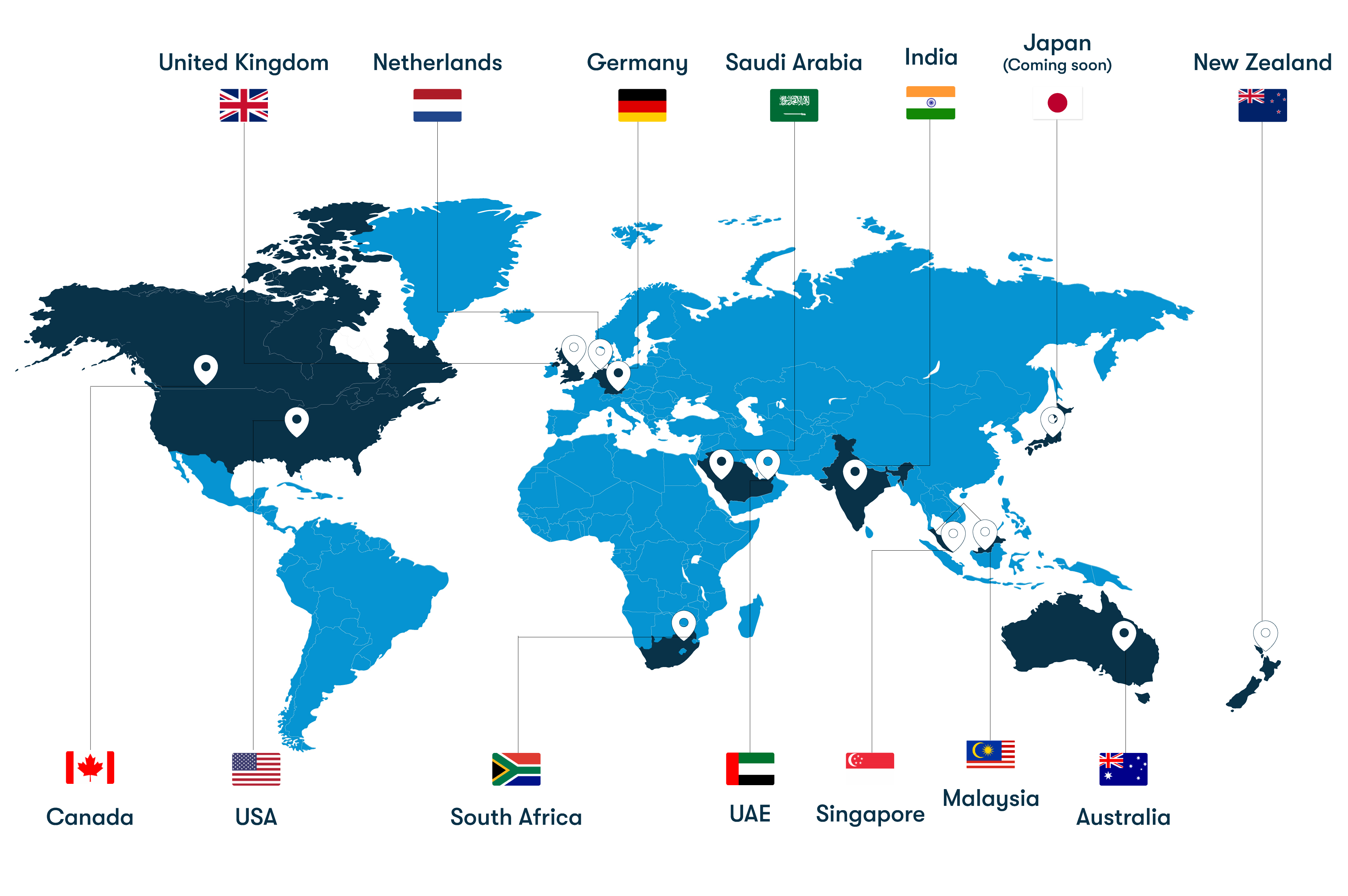
We have our own centres in Dubai, London, New Delhi, Johannesburg, Singapore Gurgaon, Bangalore, Chennai, Goa, New York, Sydney.

Yes, we do offer weekend classes

We do not provide Bank loan facility.

We can provide customized 1-to-1 training for a module as per your requirement.

Yes

If you are not happy with the training and discontinues attending within less than 20% of the duration of the training e.g., by end of first day for a 5-day course